


Respect the bodyTM

Crystal Insights

Crystal Insights is our resource center designed to keep you informed about the world of deodorants so that the next time you’re in the store deciding on the right product, you know the facts.

New Consumer Research: “How Far Would You Go to Avoid Body Odor?”

The answer to this question may surprise you! Learn more...

Understanding Mineral Salts

Mineral salts are present in the water we drink, in almost all the foods we eat, and in the air we breathe.  

In its natural form, alum is the third most abundant element in nature, after oxygen and silicon. It has been part of our environment since the beginning of time and is one of the basic building blocks of our universe.

Deodorants made of alum based mineral salts feature physically large potassium or ammonium alum molecules which are not absorbed through the skin into the bloodstream. 

Alum should not be confused with the controversial and potentially harmful aluminums found in most commercial deodorants and antiperspirants, like aluminum chlorohydrate or aluminum zirconium.

The foundation of Crystal deodorants is natural mineral salt harvested directly from the earth called alum.

The Difference Between Deodorants and Antiperspirants

The most common products used to control body odor are deodorants and antiperspirants. Deodorants work by masking, suppressing or preventing body odor. Deodorants do not tend to reduce the amount of perspiration the body produces. Antiperspirants, on the other hand, use chemicals to inhibit the activity of sweat glands so less moisture is produced. While deodorants are considered to be a cosmetic product because they only control odor, antiperspirants are actually drugs because they affect the physiology of the body. In fact, The Food and Drug Administration (FDA) controls the active ingredients used in antiperspirants because of their drug classification. Although the exact mechanism of this physiological interaction is not fully understood, the theory is that antiperspirant salts form temporary plugs in some of the sweat gland openings inhibiting the secretion of moisture.

Antiperspirants have an aluminum-based compound as their main ingredient. These include Aluminum Chlorohydrate, Aluminum Zirconium, Aluminum Chloride, Tricholorohydrex Glycine and Aluminum Hydroxybromide – each controversial ingredients and, potentially, unhealthy.

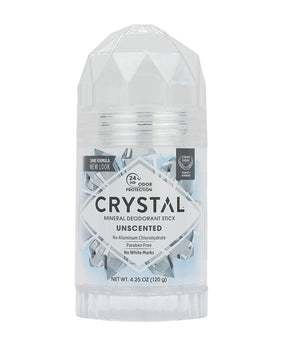
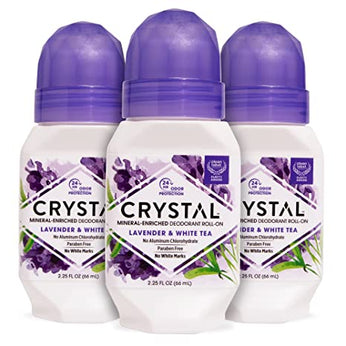
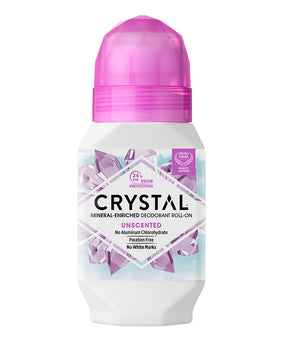
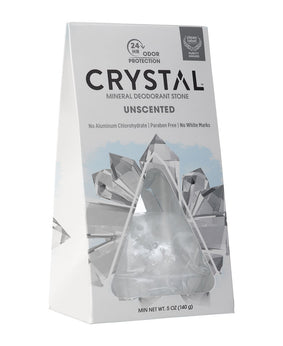
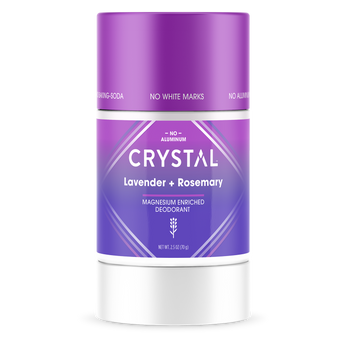
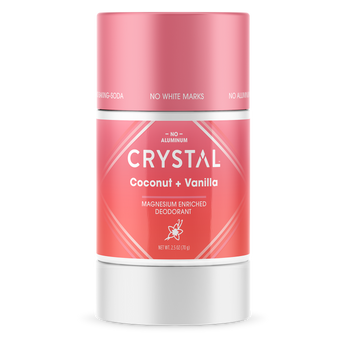
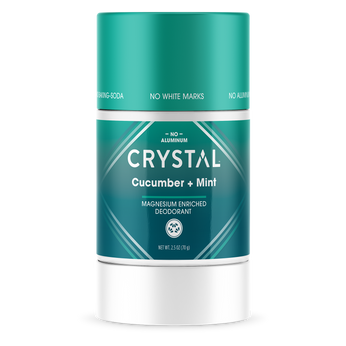
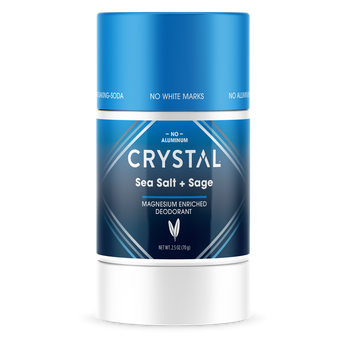
Crystal deodorants – the all-natural deodorant alternative to chemically laden commercial deodorants, are composed of mineral salts, which form a topical layer on the skin. While most deodorants mask odor with scents or fragrances, Crystal deodorants actually prevent body odor from beginning by creating a thin barrier above the skin so that bacteria cannot form. Available in both unscented and lightly scented versions, Crystal deodorants are hypoallergenic, non-sticky, non-staining, dry instantly and leave no white residue. Furthermore, Crystal deodorants contain no artificial coloring, chemicals, dyes or alcohol. They contain NO harmful aluminums, are not tested on animals, and are safe for the environment!

For more information on antiperspirants and deodorants, visit the following web sites:

Understanding the Difference Between Alum and Aluminum

Technically speaking, aluminum is a metal, whereas alum is a compound.  While many aluminum molecules can be absorbed into the skin, alum molecules are too large to be absorbed. Aluminum is a potentially hazardous material regulated by the FDA for its applications in body care products. Studies show that aluminum can accumulate in the brain over time and some health experts are concerned that it may increase the chance of Alzheimer’s disease and breast cancer.   

Crystal deodorants are made of natural mineral salts (alum).  

Aluminum Chlorhydrate and Why You Should Care.

Aluminum chlorohydrate is a neurotoxin that alters the function of the blood-brain barrier.  It is a chemical used in most consumer deodorants and antiperspirants and may cause allergic reactions in some people.

Crystal deodorants do not use aluminum chlorohydrate, aluminum zirconium, or any other harmful aluminum.

What to Know About Parabens

Parabens are used as a preservative in many commercial deodorants and antiperspirants. In 2004, a small study found traces of parabens in some samples of breast cancer tumors. A possible concern is that in other studies, parabens have been found to have weak estrogen-like properties. Estrogen is a female hormone known to cause breast cells (normal and cancerous) to grow and divide. Some conditions that increase the body’s exposure to estrogen (not having children, late menopause, obesity, etc.) have been linked to an increased risk of breast cancer.

So far, studies have not shown any direct link between parabens and breast cancer risk. What has been found is that there are many other compounds in the environment that also mimic naturally-produced estrogen.

For more, click here.

Crystal deodorants contain no parabens. 

Not All Unscented Deodorants are Natural

Many unscented deodorants on the market use parabens, aluminum chlorohydrate, and other chemicals which are not considered natural ingredients.

Back to top